
Can Timber Floor Sanding Fix Pet Scratches? A Melbourne Homeowner's Guide
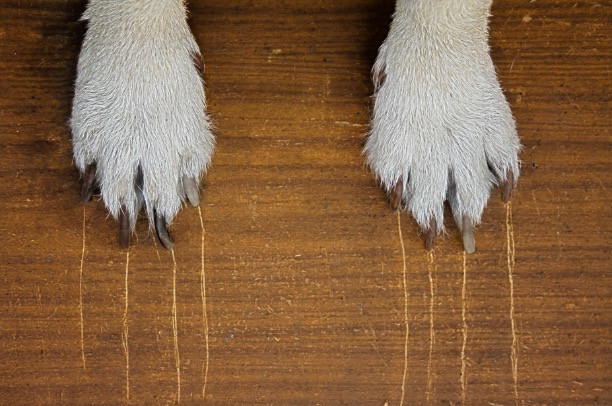
Pets can bring plenty of personality to a home, but they can also leave their mark on timber flooring. Dogs running through hallways, cats moving across living areas and dirt caught beneath paws can gradually create scratches, scuffs and worn patches.
If your timber floors are starting to look tired because of your pets, you may be wondering if the damage means the flooring needs to be replaced. Fortunately, replacement isn't always necessary. Depending on the depth and extent of the scratches, professional timber floor sanding in Melbourne can be an effective way to restore the surface.
Why Do Pets Scratch Timber Floors?
Timber flooring is designed to be durable, but it still experiences everyday wear. Pet claws are one of the main causes of surface damage, particularly in busy areas of the home. Dogs can create scratches when they run, turn quickly or slide across the floor. Longer nails can make these marks more noticeable while dirt, sand and small stones carried inside on paws can also contribute to surface wear. Over time, scratches can accumulate and what started as a few small marks can eventually become a dull or worn looking section of flooring.
Are All Pet Scratches the Same?
No. The depth of the damage is one of the most important factors when deciding how the floor should be treated.
Light Surface Scratches
Some scratches only affect the protective coating sitting over the timber. These can look like fine lines or marks that become more visible when light reflects across the floor. Because the actual timber may remain undamaged, full sanding may not be necessary and depending on the condition of the finish - buffing, polishing or recoating may be enough.
Medium Scratches
Some scratches extend through the protective coating and slightly into the timber itself. You may be able to feel these marks when running a fingernail across the surface. In certain situations, localised sanding and resealing may help restore the affected area.
Deep Scratches
Deeper claw marks can penetrate further into the timber. These scratches look like noticeable grooves and can be hard to disguise with simple cleaning or recoating. This is where timber floor sanding can become a more suitable restoration option.
How Does Timber Floor Sanding Remove Pet Scratches?
Professional sanding works by removing the existing finish and a thin layer from the timber surface. This helps eliminate scratches and other imperfections rather than simply covering them.
The process generally begins with an assessment of the flooring.
The timber type, existing coating and condition of the boards can all influence how the floor should be treated.
Specialised sanding equipment is then used to gradually smooth the surface. Different stages of sanding can refine the timber and create a consistent foundation for the next step.
Once the sanding is complete, the floor can be cleaned and finished with a new protective coating.
The result is a smoother surface with the natural appearance of the timber restored.
What About Gaps and Other Imperfections?
Pet scratches aren't always the only issue affecting an older timber floor. As flooring ages, homeowners may also notice small gaps, dents, stains or areas of uneven wear. Depending on the condition of the boards, some imperfections may be addressed as part of the restoration process. Small gaps or surface imperfections can sometimes be filled before the final sanding stages, helping create a more consistent finish.
Can Engineered Timber Flooring Be Sanded?
This depends on the construction of the flooring. Solid timber floors generally have more material available for sanding, while engineered timber flooring has a hardwood layer over a constructed core. The thickness of that top timber layer determines whether sanding is appropriate.
Rather than assuming that all engineered flooring can be sanded, it's best to have the floor assessed by a flooring professional before restoration begins.
How Can You Prevent Future Pet Scratches?
Restoring your flooring is only part of the solution. Here are a few simple habits that can help minimise future damage from pet scratches:
- Keep your pet's nails trimmed to reduce the chance of claw marks.
- Wiping paws after outdoor walks can also prevent dirt and grit from being brought onto the floor.
- Using rugs or runners in areas where pets regularly run can provide an additional layer of protection.
You should also avoid harsh cleaning products or abrasive tools that could affect the protective finish.
What Timber Flooring Is Best for Pet Owners?
If you're installing new timber flooring, consider the hardness and durability of the timber species. Harder timbers such as Spotted Gum, Ironbark and Tasmanian Oak are popular options for busy homes because their dense structure provides good resistance to everyday wear.
Restore Your Timber Floors With Live Timber Flooring
Pet scratches don't automatically mean your timber floors need to be replaced. Depending on the condition of the flooring, sanding, refinishing or another restoration method may be able to give the surface a new lease on life.
At Live Timber Flooring, professional timber floor sanding and restoration services can help Melbourne homeowners address worn, scratched and ageing timber floors. If your pets have left their mark, a professional assessment can help determine the most appropriate way to restore your flooring.